
2026-10-10 ·
What Austin Residents Should Check After A Winter Freeze
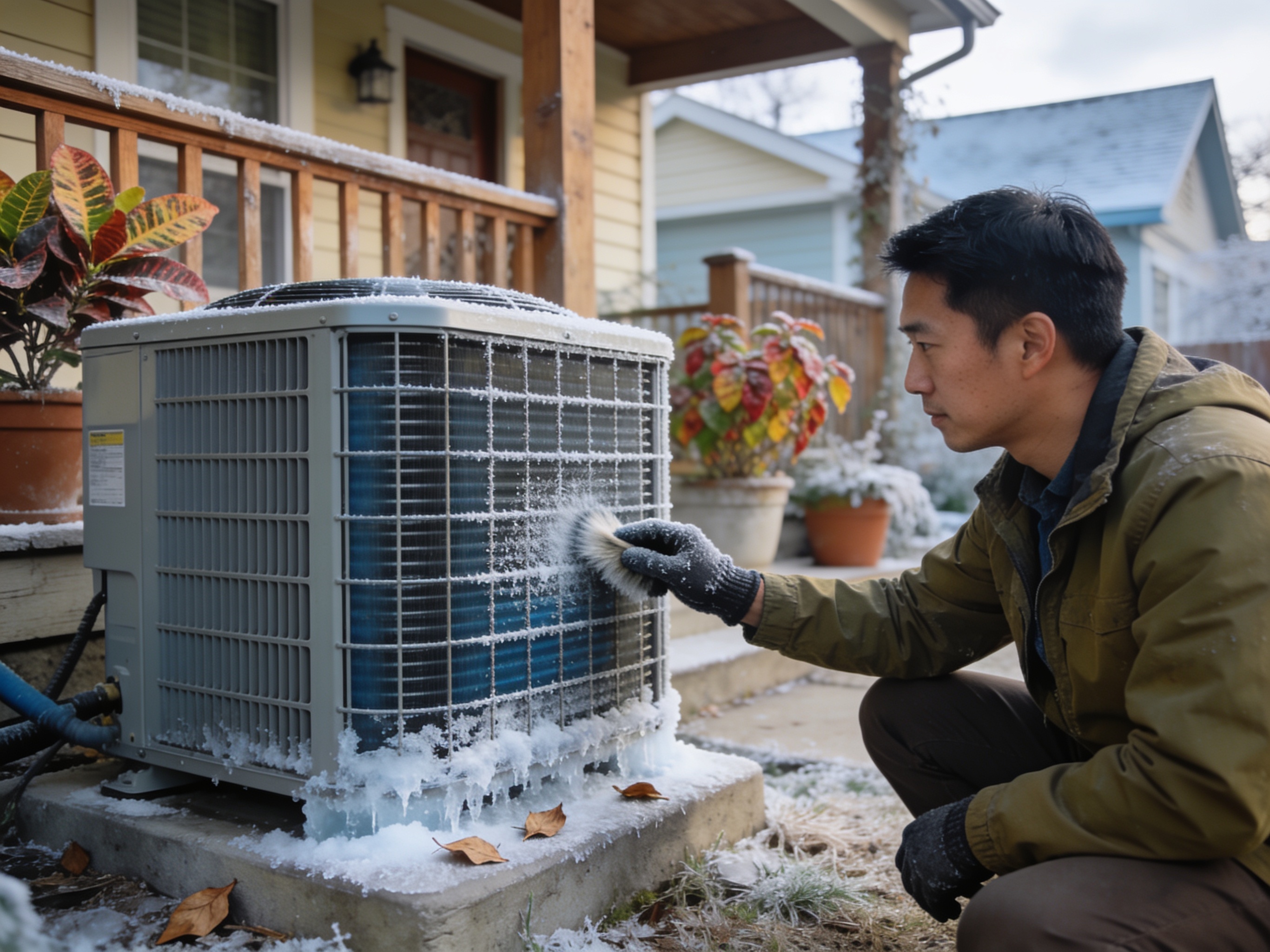
After a winter freeze in Austin, residents should immediately check their home's plumbing for burst pipes, their HVAC system for operational issues, and their attic insulation for water damage. The mild winters here in Travis County, punctuated by occasional sharp freezes, mean that many homes, especially older ones in areas like Hyde Park or Clarksville, might not be fully prepared for sustained sub-freezing temperatures. Addressing these areas promptly can prevent extensive water damage and ensure your heating system is ready for any subsequent cold fronts or the coming spring, which often brings its own set of weather challenges.
Inspect Your Plumbing for Burst Pipes
The most immediate and often most destructive consequence of a freeze is burst pipes. When water freezes, it expands, putting immense pressure on pipes, particularly those exposed to the elements or in unheated spaces. In Austin, this often means pipes in crawl spaces, exterior walls, or uninsulated attics. Look for obvious signs of leaks, such as water stains on ceilings or walls, dripping sounds, or a sudden drop in water pressure. Even a small drip can indicate a larger issue within the wall. Pay close attention to areas like your water heater closet, utility rooms, and outdoor spigots. If you suspect a burst pipe but can't locate it, turn off your main water supply to prevent further damage and contact a plumber immediately. The cost to repair a burst pipe can range from $150 to $2,000 or more, depending on its location and the extent of the damage.
Evaluate Your HVAC System's Performance
Your heating system works hard during a freeze, and sometimes the sudden demand or extreme cold can cause issues. First, check your thermostat to ensure it's set correctly and receiving power. Then, listen for any unusual noises coming from your furnace or heat pump. Rattling, grinding, or banging sounds can indicate mechanical problems. Also, verify that warm air is actually coming out of your vents. If your furnace is blowing cold air or your heat pump isn't heating, it could be due to a frozen condensate line, a malfunctioning ignitor, or even issues with the outdoor unit if it’s a heat pump. For any significant heating issues, especially after a prolonged cold spell, it's wise to schedule a professional inspection. You can learn more about specific heating issues, including what to do if your furnace is not heating or your heat pump is not heating or cooling, on our service pages.
Check for Insulation and Water Damage in the Attic
Attics are particularly vulnerable during a freeze, especially in homes around Zilker or Barton Hills where older construction might have less robust insulation. Ice dams can form on roofs, causing water to back up under shingles and seep into the attic. Once inside, this water can saturate insulation, reducing its effectiveness and leading to mold growth. After a freeze, safely inspect your attic for any signs of moisture, such as wet or matted insulation, water stains on wood, or a musty odor. If you find wet insulation, it needs to be dried out or replaced to prevent long-term issues. Proper attic insulation is crucial for maintaining consistent indoor temperatures and protecting your home from both winter freezes and the intense hot, humid summers we experience here in Austin. A well-insulated home also contributes to overall HVAC efficiency.
Examine Outdoor Units and Vents
For homes with split HVAC systems common in areas like Mueller or Westlake, the outdoor unit (condenser for AC, or heat pump unit) can be affected by ice and snow. While these units are designed to withstand outdoor conditions, heavy ice accumulation can damage fan blades or internal components. Ensure that the unit is clear of ice and debris. If you notice any bent fins or damaged components, do not attempt to operate the unit. Similarly, check all exterior vents and exhaust pipes for blockages from ice or snow, as these can impede proper airflow and lead to system malfunctions or even dangerous carbon monoxide buildup if it's a furnace exhaust. Regular maintenance, including clearing away debris, can help prevent these issues.
Consider Professional HVAC Maintenance
Even if your system appears to be working fine after a freeze, a professional HVAC check-up can identify potential problems before they escalate. The mild winters in Austin, followed by spring wildflowers and then the scorching summers, mean your HVAC system cycles between heating and cooling demands. A freeze can put stress on components that might not immediately fail but could be weakened. A technician can inspect for subtle damage, check refrigerant levels, clean coils, and ensure all electrical connections are secure. This proactive approach can extend the lifespan of your system and prevent unexpected breakdowns during the next extreme weather event. Scheduling an annual HVAC maintenance appointment is a smart investment for any Austin homeowner, helping to ensure your system is ready for anything from a cold snap to the intense heat of July.
Taking these steps after a winter freeze in Austin can save you significant headaches and expenses. From Downtown to Round Rock and Cedar Park, preparing for and recovering from cold weather is a critical part of homeownership in Central Texas. Being vigilant and addressing potential issues promptly will keep your home comfortable and your systems running smoothly.